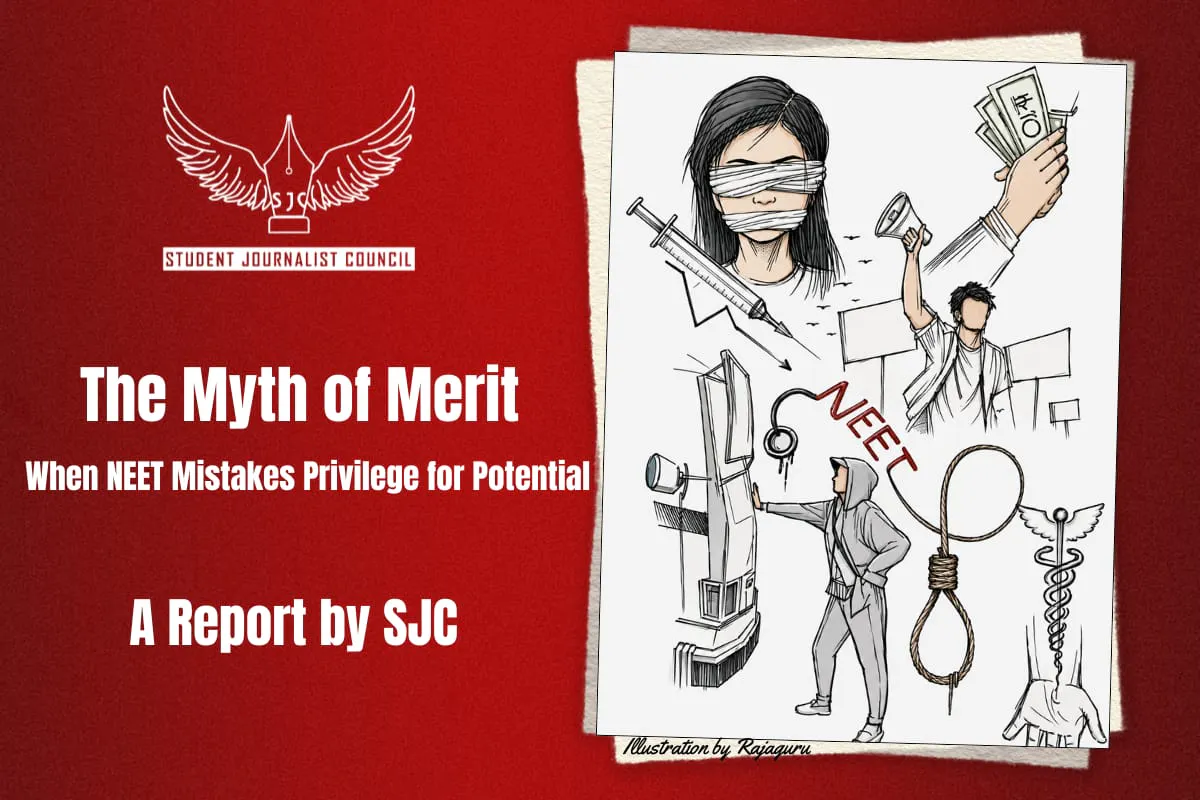
DOCTOR—a profession that children in playschool aspire to become without knowing the weight of it; oh, the innocence that we wish could carry after becoming one! A profession that Indian parents think is the most noble and would do anything for their kids to become one, even if it meant sacrificing their dreams and their kid’s. But most of all, a doctor is a healer who does the magic of saving lives.
On this day (July 1st), we celebrate National doctors day owing to the legacy of Dr. Bidhan Chandra Roy, the former chief minister of West Bengal. History knows him as a freedom fighter and also the man who dedicated himself to rebuild West Bengal, which was then struggling with refugee influx and economic instability. Beyond that, he was a doctor who attended patients in the morning before addressing affairs of state.
What makes Dr. Bidhan Chandra Roy stand out is the way he played a critical role in the development of Salt Lake City (Bidhannagar), now one of Kolkata's most prominent residential and commercial hubs. During his tenure as Chief Minister, the number of health centers in West Bengal grew from 70 to 271. He championed the establishment of 96 maternity centers, 92 leprosy clinics, 16 malaria control units, and one of India's first polio clinics. His deep concern for women's and children's health led to the creation of institutions like the Chittaranjan Seva Sadan for women and children, as well as the Chittaranjan Cancer Hospital, which became one of the country's leading cancer treatment centers.
To most people, life begins at the maternity ward under the skilful hands of a physician. The way they put their heart and soul into their work and the way their hands carry both precision and care are commendable. Doctors’ Day is celebrated to honor their dedication and the compromises they have made all through their life just so they could put a smile on their patients’ faces. Just as teachers shape a society, doctors help sustain it. All the doctors who choose service over their sleep and comfort, are no less than warriors.
India’s doctor-patient ratio stands at an appreciable 1:811, which is past the World Health Organization’s recommended global benchmark of 1:1000. Although this creates a mirage of no risk of unavailability of doctors, the reality in rural zones states otherwise. On one hand we have hospitals with merely two or three physicians and on the other hand we have doctors struggling with work overload and burnout. Although recent statistics have shown that India is producing medical graduates at an appreciable rate of 50,000 per year, public health sector units of the country are heavily understaffed and underdeveloped.
A young doctor here has to manage a rigorous work schedule of 36 - 50 hours at a stretch, often without a minute for them to rest and reset. Skipped meals, unhealthy sleep cycles, and notoriously grueling working hours like that do more damage to a person than we can fathom. Because at the end of the day, they are humans too who have families waiting for them back home, friends and loved ones who are in constant worry of their meals and sleep.
So, let us ask ourselves: Behind the Mask: Who heals the healers?
Recent statistics have shown that suicide rate among doctors is alarmingly high. When we come down to the reason behind this, it ultimately points at the flawed system. Unlike other professions, there are no standard working hours for doctors. In the worst cases, they don't have space to sit, let alone a room to rest. Moreover, violence against doctors has become notoriously common, adding more trauma to their already exhaustive mental health. It's a shame that the one saving lives has to live in fear of his own.
We call them gods. But all they are asking is to be treated like a human. Let the doctors serve without having to shrink themselves every time. Let them have access to mental health aid and breaks because an empty soul cannot carry the weight of others. And finally, let's start healing the system that's breaking them.
Credits:
Patron: Dr. K. Manonmani, Principal of GCT
Staff In-charge: Dr. M. Kalpana
Editor in Chief: Mathimalar V (IT 23-27)
Article prepared by: Sujithasri K (Civil 24-28)